
 GS PAPER-2 (SOCIAL JUSTICE)

ROOT CAUSE OF INEQUALITY
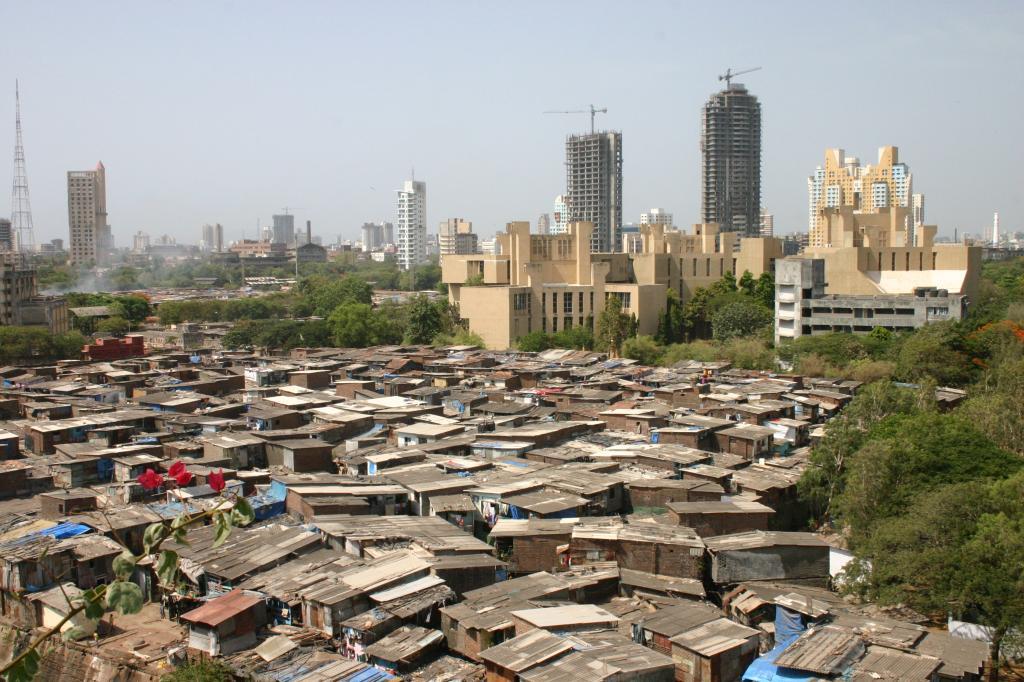


Everyone required three segments for equality:

1) Economical freedom

2) Social freedom

3) Political freedom 

In this three segments economical freedom is captured 99% base

and in economical freedom(99%), education comes first step, in other word 

Education cover up almost 90% + role in economical freedom.

in Indian education systems have a lots of discrimination factors

and biggest discrimination factor is language, so biggest challenge for inequality is language such as

English is by force required for any higher competitive exams like IIT,IIM...etc. it's a root cause.


Language -> Education -> Economical freedom -> Inequality 


                                                         For any confusion/conversation/debate: contact me- 9026477478


Comments

Popular posts from this blog

ECONOMY

BASICS OF ECONOMY THROUGH MIND MAP      Just click on link:   Mind Map
                                        W eb 3 is not Web 3.0 The internet has been evolving at a rapid pace, and the emergence of terms like "Web 3" and "Web 3.0" has sparked curiosity and debate. While these terms are often used interchangeably, some proponents argue that there is a nuanced difference between the two. In this blog post, we delve into the realms of Web 3 and Web 3.0, shedding light on their unique aspects and exploring the future they envision for the internet.   Web 3.0: A Semantic and Intelligent Web: Web 3.0, also known as the Semantic Web or the Intelligent Web, encapsulates a vision of the internet that is more intelligent, interconnected, and meaningful. At its core, Web 3.0 aims to enhance the web experience by enabling machines to understand and interpret web content, thereby providing more efficient and personalized information retrieval.   T...
 "Analyzing the Dynamics of the Indian Labor Market: Employment Composition, Participation Trends, and Economic Implications"   The passage you provided offers a detailed analysis of the Indian labor market, focusing on the types of employment, trends in labor force participation, unemployment rates, and earnings. Here are some key points derived from the text:  Composition of Employment: The majority of Indians earn their livelihood through labor rather than ownership of capital or land. Informal employment, characterized by little to no job security and lower earnings, accounts for about 90% of the working population. Trends in Labor Force Participation and Unemployment: While the labor force participation rate has increased steadily, driven largely by rural women, the overall unemployment rate has declined. However, youth unemployment remains relatively high.  Nature of Employment Growth: The increase in employment seems to be mainly driven by self-employment, p...